| Our Principles
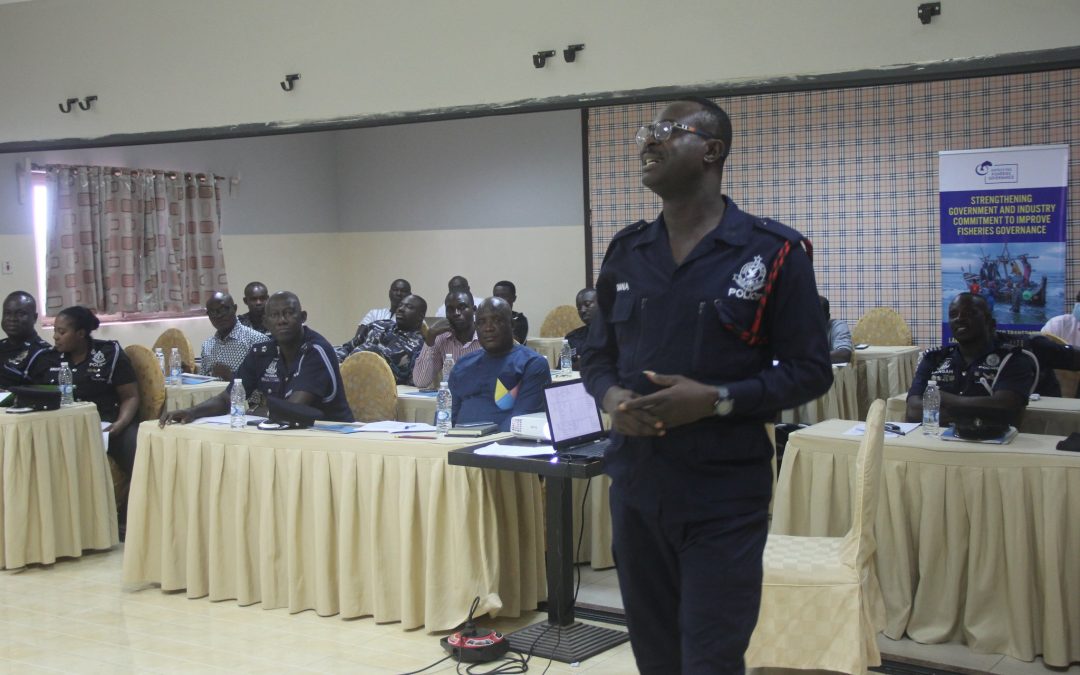
Laws and enforcement shape what’s possible on the water and along the shore. When well-designed and fairly enforced, they safeguard marine ecosystems, secure community rights, and ensure sustainable livelihoods. Yet, across many coastal areas, policy gaps and weak...
| Our Principles
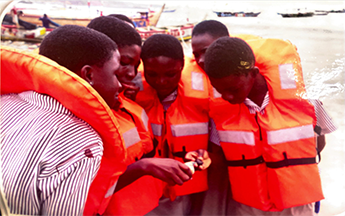
FoN believes that informed citizens make better guardians of the ocean. Ocean literacy goes beyond knowledge; it builds awareness of how marine systems function, what rights and responsibilities communities hold, and which sustainable practices protect both people and...

| Our Principles
In Ghana’s small-scale fishing sector, traditional systems of reporting incidents at sea have often relied on oral accounts, which, while important, are rarely strong enough to trigger swift action or justice. As the pressure on marine resources grows and the threats...
| Our Principles
Strong laws, effective enforcement, and fisher inclusion are essential for sustainable fisheries. Without them, illegal activities thrive, fish stocks decline, and the rights of small-scale fishers are undermined. FoN’s Actions –...
| Our Principles
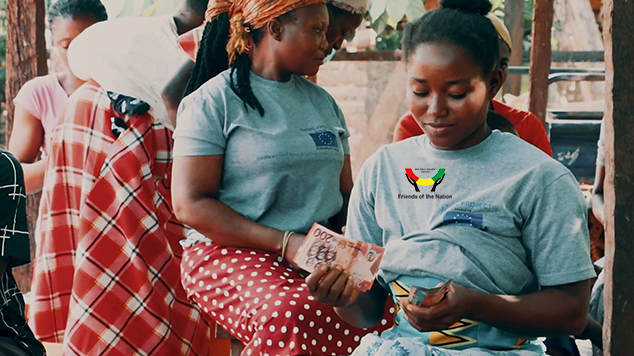
Many coastal households depend on fishing and fish processing. Women; often as “fish mummies” or fish processors, play a critical economic role but face precarious working conditions, limited social protection and low access to finance. FoN’s approach & activities...
| Our Principles
Why VSLAs? In many of the communities where Friends of the Nation (FoN) works, especially along the four coastal regions of Ghana, people face barriers to formal banking. Banks and microfinance institutions often demand collateral, paperwork, or minimum deposits that...
