
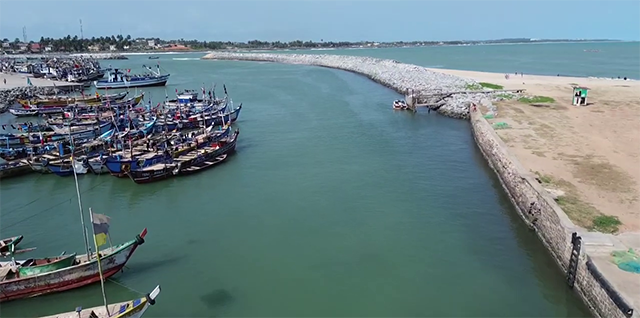
Ghana’s coastal and marine ecosystems are critical for food security, livelihoods, and climate resilience. However, they are increasingly threatened by overfishing, destructive fishing methods, pollution, and the impacts of climate change such as sea-level rise, coastal erosion, and saltwater intrusion. Friends of the Nation (FoN) works with coastal communities, schools, and fishers to safeguard marine ecosystems while building climate awareness and promoting sustainable livelihoods.
FoN’s interventions in the blue economy combine hands-on environmental monitoring, youth-led science, and advocacy for responsible fishing practices. Three flagship initiatives illustrate this approach: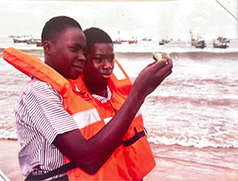
-
Youth-Led Coastal Water Quality Monitoring: Pupils from Ngyiresia Junior High School, Aggrey Memorial Junior High School in Sekondi, and Badu Bonsu Junior High School in New Takoradi have been trained by FoN to monitor coastal water quality using the survival in air (shelf-life) assay with brown mussels. This citizen science initiative enables pupils to detect pollution, understand its links to climate change, and advocate for clean coastal waters. Teachers integrate marine conservation themes into lessons, while students share their findings with the community, influencing household behaviours and providing early warnings for local authorities.
-
Campaigns Against Destructive Fishing Practices: FoN actively campaigns against fishing methods that harm marine ecosystems, such as the use of dynamite and other explosives by small-scale fishers. These practices destroy habitats, kill juvenile fish, and reduce long-term productivity.
-
Community Engagement for Marine Protection: FoN works with coastal residents to understand the climate and ecological impacts of unsustainable fishing, while promoting compliance with fisheries regulations and encouraging nature-based solutions like mangrove restoration.
1. Youth-Led Science for Climate Action
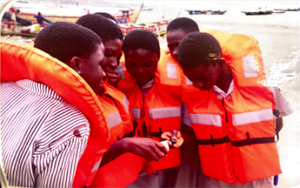 FoN’s school-based programme turns pupils into ocean health ambassadors. By training students and teachers to conduct survival in air assays on brown mussels:
-
Coastal communities gain local capacity to monitor water quality.
-
Evidence is generated for advocacy and early pollution alerts.
-
Students develop critical thinking and environmental leadership skills.
This hands-on learning ensures that the next generation understands the climate-ocean-livelihood connection and can take informed action.
2. Campaigning Against Harmful Fishing Methods
FoN’s anti-destructive fishing campaigns focus on:
-
Public education about the long-term damage caused by explosives, poisons, and other illegal gear.
-
Engaging fisheries enforcement bodies to strengthen monitoring and sanctions.
-
Promoting sustainable fishing methods that allow fish stocks to recover and ecosystems to remain healthy.
3. Linking Climate Action to Livelihoods in the Blue Economy
FoN integrates climate adaptation into coastal livelihoods by:
-
Supporting alternative income-generating activities during closed fishing seasons.

-
Encouraging mangrove conservation and restoration to protect shorelines from erosion and storm surges.
-
Facilitating dialogue between fishers, processors, and policymakers to align local needs with national climate and fisheries plans.
4. Impact and Emerging Lessons
-
Students in coastal schools now have the skills to conduct basic water quality assessments and understand their results.
-
Community awareness of the dangers of destructive fishing has increased, leading to stronger peer pressure against illegal methods.
-
Early warning of water pollution is enabling faster response from local stakeholders.
5. Looking Ahead
FoN plans to:
-
Expand school-based water quality monitoring to more coastal communities.
-
Strengthen partnerships with fisheries co-management committees for enforcement against destructive fishing.
-
Integrate coastal climate adaptation mapping into community planning to address erosion, flooding, and habitat loss.