
Friends of the Nation (FoN) recognises that while Ghana’s offshore oil production brings economic opportunities, it also poses significant challenges to the livelihoods of coastal communities, particularly fishers and small-scale traders who depend on healthy marine ecosystems.
FoN works directly with oil companies operating in the Western Region to identify, mitigate, and compensate for these livelihood impacts. This engagement is built on constructive dialogue and evidence-based advocacy, ensuring that community concerns are addressed within the framework of environmental and social responsibility.
Key actions include:
-
Documenting and communicating community concerns
Through participatory research, community forums, and grievance reporting mechanisms, FoN gathers firsthand accounts from residents on how oil-related activities, such as offshore drilling, marine exclusion zones, and increased vessel traffic, affect fishing access, catch volumes, and safety at sea. These concerns are then relayed to oil companies in formal consultations. -
Advocating for fair livelihood restoration
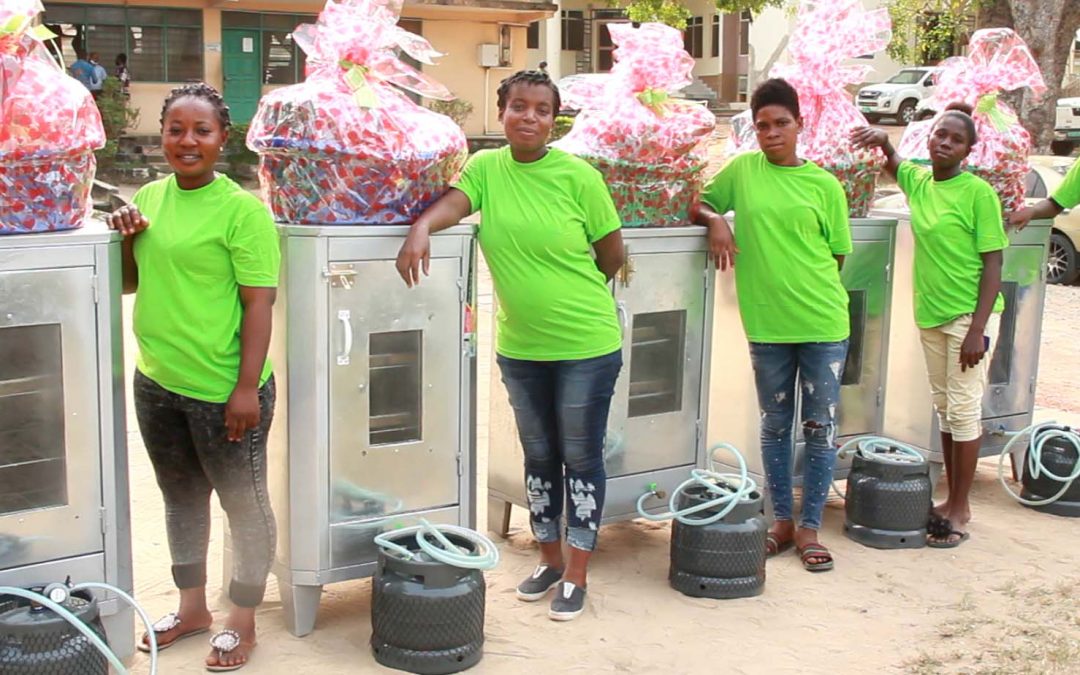
In cases where oil operations directly disrupt economic activities, FoN engages companies to provide fair compensation to affected individuals and to support alternative livelihood programmes. This includes skills training, small enterprise support, and the promotion of sustainable fishing practices. -
Collaborating on corporate social responsibility (CSR) projects
FoN works with oil companies to design and implement CSR initiatives that respond to local needs. These may include support for fish processing facilities, provision of safety equipment for fishers, or community infrastructure that boosts resilience to climate and economic shocks. -
Monitoring and follow-up
To ensure promises are kept, FoN maintains ongoing monitoring of agreed livelihood interventions and provides regular feedback to both the companies and the communities. This helps build trust and accountability on all sides.
Through this approach, FoN has positioned itself as a bridge between extractive industry operators and affected communities, ensuring that economic development from oil production is not achieved at the expense of the coastal livelihoods that have sustained the Western Region for generations.