
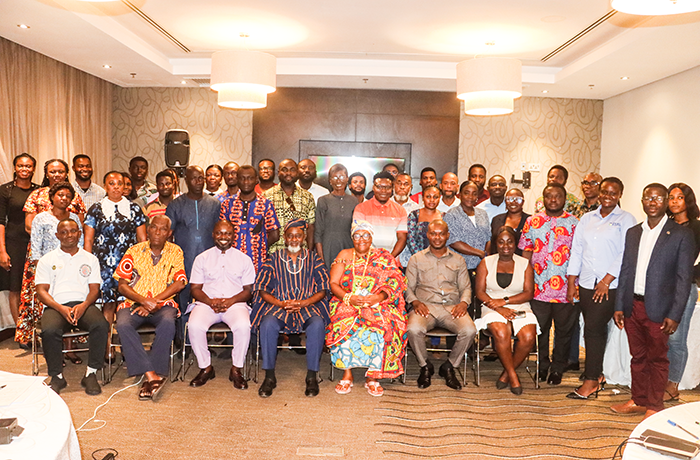
Friends of the Nation (FoN) and the Africa Centre for Energy Policy (ACEP), with support from Oxfam, convened government institutions, civil society organizations, private sector operators, and community actors for a national learning event focused on strengthening Ghana’s response to methane emissions and advancing climate action.
The event brought together participants from the Environmental Protection Authority, the Sekondi-Takoradi Metropolitan Assembly, Ghana National Gas Company, Zeal Environmental Technologies Limited, the Peasant Farmers Association of Ghana, as well as other local institutions and media representatives.
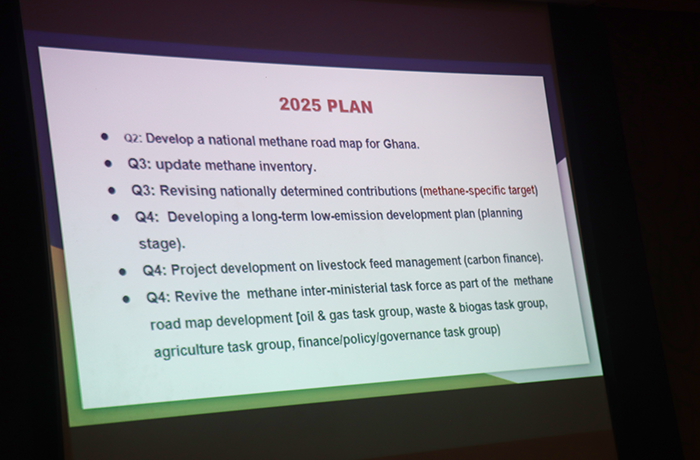
The Environmental Protection Authority (EPA) provided updates on the national methane management efforts and the development of Ghana’s Methane Roadmap. They highlighted the gains made, the gaps, the data and partnerships that need to be forged for a responsive roadmap to manage methane.
FoN shared its work in conducting technical assessment and gender analysis of gas pipeline projects, convening stakeholders inputs on the Ghana Methane Road Map Action Plan, and training of EPA staff and other actors on Inspection, Monitoring, and Reporting, of Fugitive Methane Emission from Oil & Gas operations in Ghana.
ACEP presented on the agricultural sector’s contribution to methane emissions, highlighting the role of livestock production through enteric fermentation and manure management. They stressed the need for improved feeding regimes, enhanced manure handling, and better data systems to guide methane reduction interventions within the agricultural sector.
The Peasant Farmers Association of Ghana shared practical, community-level strategies farmers can adopt to cut methane emissions. These include transitioning to climate-smart agriculture, improving soil and water conservation techniques, and adopting sustainable fertilizer and manure practices. The Association further underscored the importance of targeted support for smallholder farmers who remain highly vulnerable to climate impacts.
The Ghana National Gas Company on their part outlined ongoing efforts to reduce gas flaring, including plans to develop a new gas processing plant that would capture gas currently being flared from oil fields. The company also highlighted measures aimed at lowering its carbon footprint and boosting operational efficiency as part of its commitment to Ghana’s clean energy transition.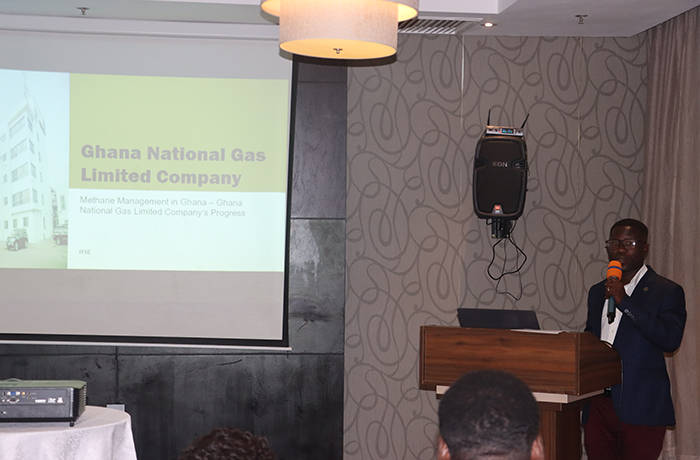
Zeal Environmental Technologies presented innovations in offshore waste treatment, demonstrating how advanced waste processing systems help to reduce methane emissions arising from oil and gas operations. Their presentation showed how private sector-led technological advancements can complement national climate objectives.
Stakeholders, including representatives from the Sekondi-Takoradi Metropolitan Assembly and others engaged in open discussions on the broader impacts of methane on climate change, public health, crop productivity, and community livelihoods. The event emphasized the need for stronger cross-sector collaboration as Ghana works to meet its obligations under the Global Methane Pledge and its Nationally Determined Contributions.
Recommendations from the learning event will support evidence-based decision-making and inform the development of a more sustainable, inclusive, and coordinated methane management framework for the country.